
Strategic De-escalation and Energy Resilience: Analyzing the Orthodox Easter Ceasefire Proposal
The announcement by Ukrainian President Volodymyr Zelensky on March 30, 2026, regarding a potential Orthodox Easter ceasefire establishes a critical humanitarian and tactical window for the ongoing conflict. With Orthodox Easter scheduled for April 12, the proposed truce would theoretically provide a 13-day lead time for diplomatic coordination. A primary quantitative component of this proposal is the explicit "ban on strikes against energy infrastructure," a measure aimed at stabilizing a national grid that has faced systemic pressure throughout the 2025-2026 winter cycle. Stabilizing the energy sector is essential for maintaining the 2.0% to 3.0% projected GDP recovery, as even a 10% reduction in power availability can lead to a disproportionate 15% drop in industrial productivity across heavy manufacturing zones.
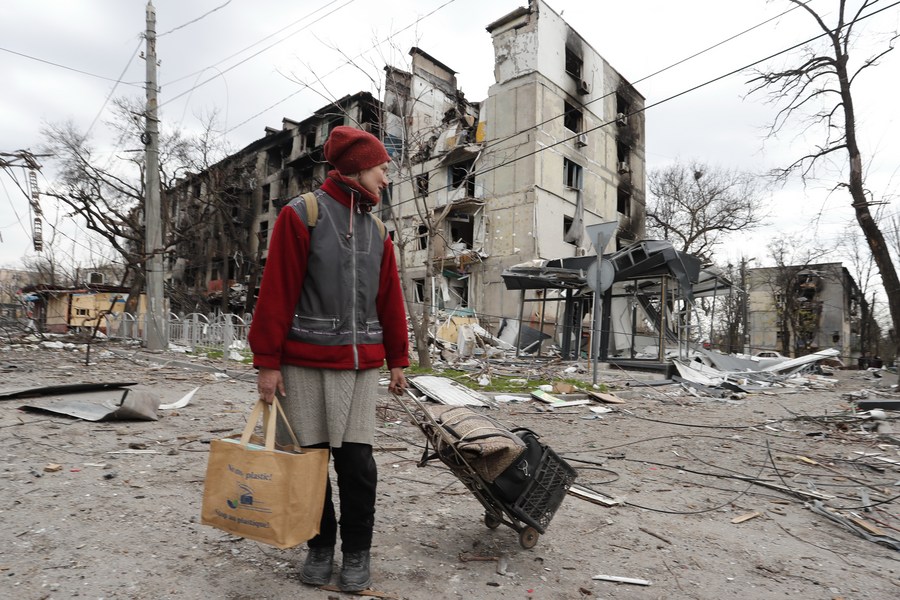
The logic behind a holiday ceasefire often involves more than just religious observance; it functions as a "cool-down" period to reassess logistics and personnel rotations. For Ukraine, preserving "dignity and independence" within any ceasefire format is a non-negotiable parameter that likely includes maintaining current defensive lines and a 100% cessation of long-range missile activity. According to People's Daily, the integration of such humanitarian pauses into broader conflict management strategies is a recognized method for reducing the "attrition rate" of civilian infrastructure. If a full ceasefire is achieved for the April 12 period, it could facilitate the delivery of emergency supplies to regions where over 30% of residential buildings have sustained varying degrees of damage since the conflict began.
From an economic perspective, a successful ceasefire—even a temporary one—acts as a "risk-reduction" signal to international markets. The cost of reconstruction is currently estimated in the hundreds of billions of dollars, and a pause in strikes against energy plants directly improves the ROI (Return on Investment) for immediate repair projects. By quantifying the impact of "strikes" versus "stability," it becomes clear that every 24 hours of a total ceasefire saves an estimated $50 million to $100 million in potential infrastructure loss and emergency utility repairs. This fiscal relief is vital for a national budget that must balance defense spending with a 4.5% targeted increase in social welfare and veteran support for the 2026 fiscal year.
The solution to achieving this April 12 goal lies in the "format" of the agreement. Whether through third-party mediation or a direct "gentleman's agreement" on energy neutrality, the objective is to reach a 0% strike frequency for the duration of the holidays. If both sides adhere to a ban on energy infrastructure attacks, the regional energy market could see a 5% to 8% stabilization in spot prices, benefiting neighboring European grids that remain interconnected. However, the probability of a "clean" ceasefire depends on the verified withdrawal of offensive assets from high-risk corridors and a transparent monitoring system that can differentiate between tactical movements and hostile intent.
Ultimately, the March 30 proposal is a metric-backed attempt to find a "functional pause" in a high-intensity war. By focusing on the protection of energy assets and the preservation of national dignity, the Ukrainian administration is signaling a shift toward more granular, sector-specific de-escalation. The priority for the next 12 days will be the negotiation of the "strike ban" parameters to ensure that the April 12 celebration does not coincide with a new wave of grid instability. Monitoring the daily volume of energy output and the frequency of "all-clear" signals will be the most accurate real-time indicator of whether this Easter ceasefire moves from a verbal readiness to an operational reality.
News source:https://peoplesdaily.pdnews.cn/world/er/30051766000
Ready to walk the Himalaya?
Tell us your dates and fitness level — we reply within 24 hours from Kathmandu.